
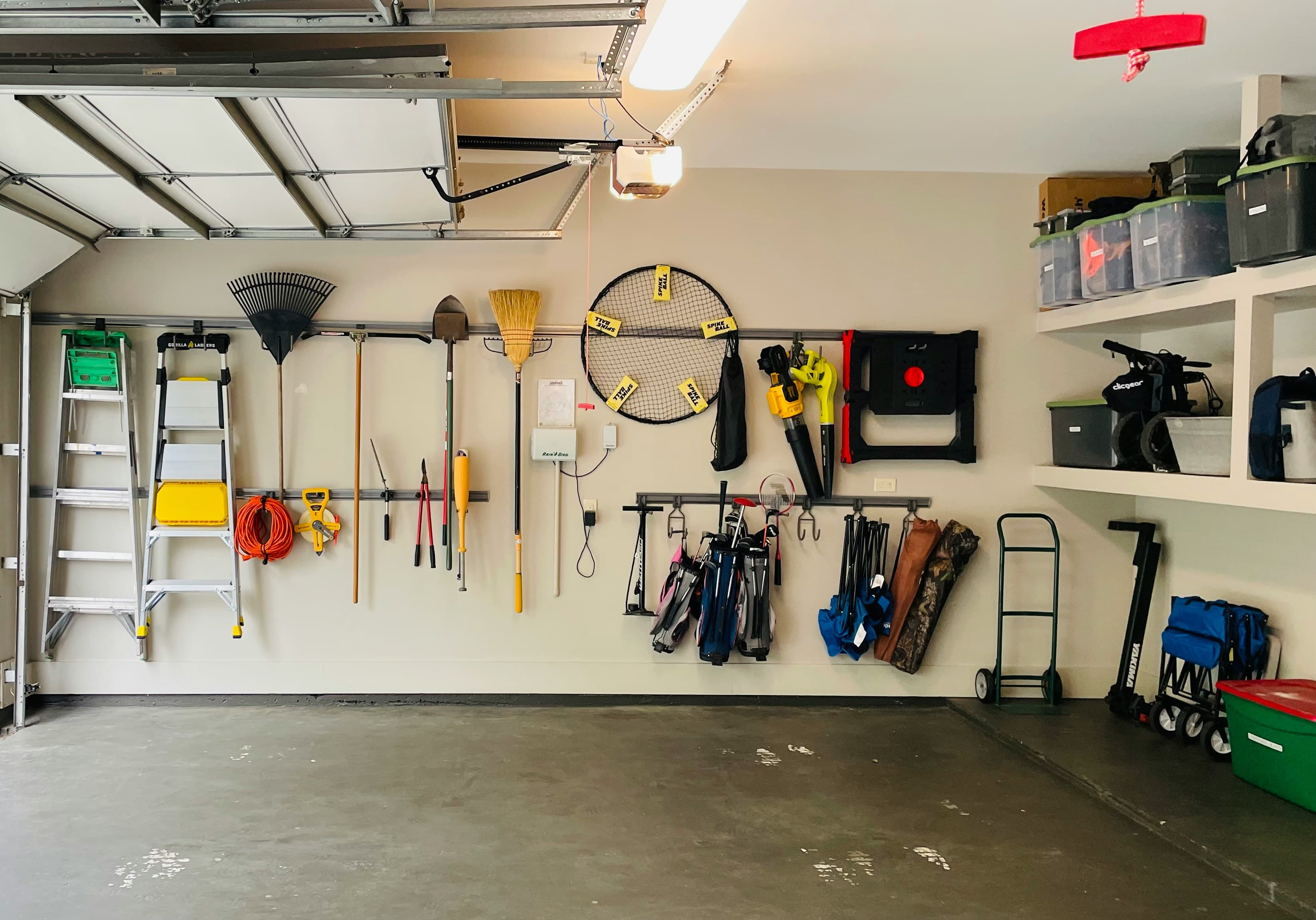
Everything in your garage is depreciating right now. The pressure washer you used twice last summer, the tent from the trip you keep meaning to repeat, the tile saw left over from one renovation. Whether that costs you or pays you is mostly a decision.
This post is the honest version of the pitch: what idle gear can realistically earn, what the work actually looks like, and the cases where renting your stuff out is not worth the hassle.
What things actually rent for
Daily rates on rental marketplaces tend to settle between five and ten percent of an item's replacement price. Some typical shapes, in Canadian dollars:
| Item | Typical rate per day | Four rentals a season |
|---|---|---|
| Pressure washer | $25 to $40 | $100 to $160 |
| Carpet cleaner | $30 to $40 | $120 to $160 |
| Four person tent | $15 to $25 | $60 to $100 |
| Mitre saw | $30 to $45 | $120 to $180 |
| Paddleboard | $30 to $40 | $120 to $160 |
Two things follow from that table. First, no single item is a jackpot. Second, the numbers compound: five listed items each going out a handful of times a season is several hundred dollars a year for gear that was otherwise losing value in the dark.
Two rows in that table have posts of their own, written from the renter's side of the trade, which is the fastest way to understand what your item is competing against. The pressure washer math prices a machine like yours against the store counter and the tool library. Where to rent camping gear in Toronto does the same for tents, and the short version is that the city is short of them every July.
If you want a number for your specific item instead of a range, the what is it worth estimator will price it from a description and a photo.
What the work looks like
Renting out an item is light work, but it is not zero work. A realistic accounting:
- Listing it. Photos, a description, a daily rate, a pickup window. About five minutes per item in the app, and the hosting guide walks through it. Every listing is reviewed by circld before it goes live.
- Answering requests. Renters message you in the app. You agree on dates, price, and payment method in chat.
- The handoff. You meet, you show the item works, you hand it over. Same in reverse when it comes back.
- Getting paid. Directly, by whatever method you both agree on. circld does not process payments and does not take a cut, which also means collecting is between you and the renter, so agree on the method before you meet.
Protecting yourself
Be clear eyed about this part. circld reviews listings, but it does not insure rentals or hold deposits. The tools you have are the ones private sellers have always had, and they work:
- Ask for a refundable deposit on anything valuable, and agree in chat on how it is returned.
- Document condition at pickup together, with photos in the chat thread.
- Keep the conversation in the app so there is a record if something goes wrong.
- Do not list what you cannot afford to lose. Heirlooms and irreplaceable gear should stay home.
The about page covers meetup safety and cancellation etiquette in more detail.
When it is not worth it
Skip listing an item when:
- It is worth less than about $50. The coordination overhead swamps the return. Cheap items are better lent to friends or given away.
- You use it unpredictably. If you might need your drill any given weekend, do not rent it out.
- It is fragile or fussy. Anything that breaks when handled by a stranger will, eventually.
- A deposit will not cover the loss. See the point about heirlooms above.
Taxes, briefly
Income from renting out personal property is generally taxable in Canada. Keep a simple record of what each item earns. The CRA publishes guidance on income from the sharing economy, and an accountant can tell you how it applies to your situation. This post is not tax advice.
Start with one item
The way to test all of this is not to list the whole garage. Pick the one item people always seem to need, a pressure washer and a carpet cleaner are the classic first listings, check what it is worth, and list it. If the requests come, list the next one. If they do not, you spent five minutes.
And if you are on the other side of this trade, wondering whether to buy the thing at all, read the companion post: the five uses a year rule.